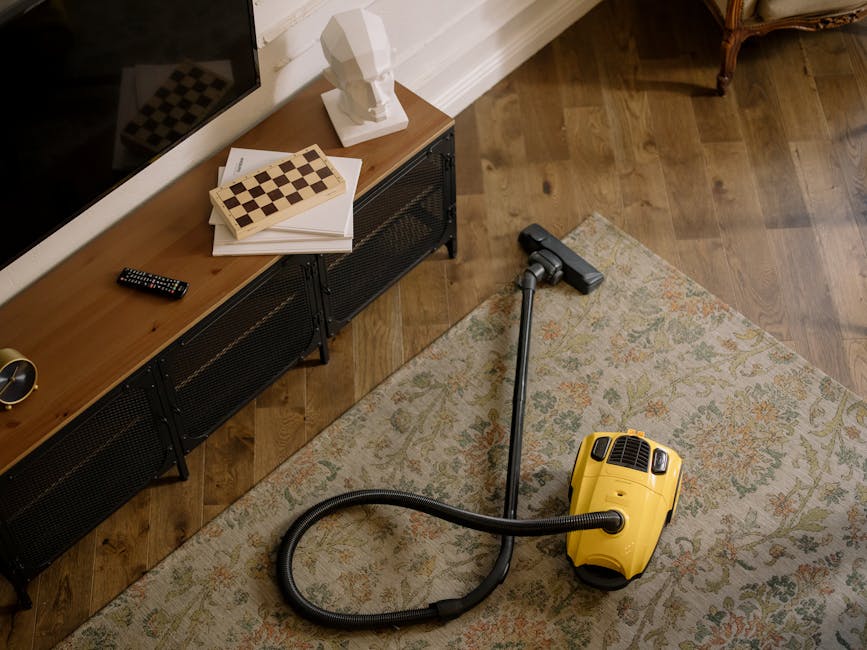
Carpet cleaning Roehampton Lane SW15 homes
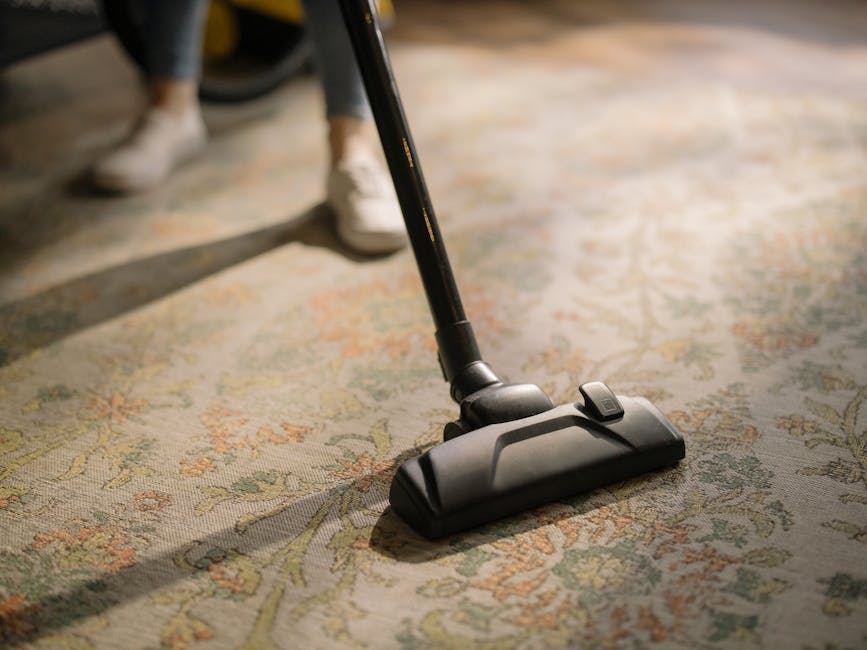
If you live on Roehampton Lane or nearby in SW15, you already know carpets take a quiet beating. Mud on winter mornings, pollen in spring, the odd drink spill, pet hair, daily foot traffic from the hall to the sofa area - it all builds up. Carpet cleaning Roehampton Lane SW15 homes is about more than making fibres look brighter. It helps restore comfort, reduce stubborn odours, and keep a home feeling properly cared for.
To be fair, most people do not notice how tired a carpet looks until a patch gets deep-cleaned. Then the difference is obvious. The room feels lighter. The colour comes back. And suddenly the place looks looked-after again, not just "clean enough". In this guide, you'll find a practical, no-nonsense explanation of how carpet cleaning works, when it makes sense, what methods to consider, and how to avoid the mistakes that cost time and money.
Why Carpet cleaning Roehampton Lane SW15 homes Matters
Carpets do a lot of quiet work in a home. They soften noise, make rooms feel warmer, and help a living space feel finished rather than bare. But they also trap fine dust, grit, pollen, pet dander, and everyday spills. In a busy London home, that build-up happens faster than most people expect. A carpet can look "fine" from standing height and still hold a surprising amount of embedded soil.
That matters for a few reasons. First, dirt acts like sandpaper. Each time you walk on it, tiny particles rub against the pile and wear it down. Second, stains often behave badly if they are left too long. Third, odours can settle into fibres and underlay, especially in family homes, rentals, or properties with pets. The result is a room that never quite feels fresh, even after a quick vacuum.
Roehampton Lane homes often have a mix of property styles, from compact flats to larger family houses. That means carpet care needs vary. A hallway runner with constant traffic is very different from a bedroom carpet that gets light use. One can usually benefit from regular professional cleaning; the other may need a gentler touch and targeted stain treatment. Simple enough, really, but the detail matters.
Expert summary: if your carpet looks dull, feels rougher underfoot, or smells a bit stale after vacuuming, a proper clean is probably overdue. Waiting too long usually makes the job harder, not cheaper.
How Carpet cleaning Roehampton Lane SW15 homes Works
Good carpet cleaning is not just "spray and scrub". The process usually begins with inspection. A cleaner should identify fibre type, stain type, traffic patterns, and any sensitive areas such as wool blends, glued edges, or delicate underlay. That first look matters more than most people realise. Wool, synthetic fibres, and mixed carpets all behave differently under heat, moisture, and detergent.
After inspection comes dry soil removal. In plain English, that means thorough vacuuming and sometimes edge work to remove loose grit before any liquid is applied. Skip this step and you just turn dry dirt into muddy residue. Not ideal.
Then comes the main cleaning stage. Depending on the carpet and its condition, this might involve hot water extraction, low-moisture cleaning, encapsulation, or specialist stain treatment. Hot water extraction is widely used for deep cleaning because it flushes soil out of the pile and then removes it with strong suction. Low-moisture methods suit some carpets where shorter drying times are important. A trained cleaner will match the method to the material, not simply use the same approach everywhere.
Finally, carpets should be groomed where appropriate and allowed to dry properly. Good airflow helps. So do sensible aftercare steps like keeping shoes off for a little while and avoiding heavy furniture until the fibres have recovered. In our experience, that final stage is where many DIY jobs fall down. The carpet is "clean" but still damp, flat, and a bit off.
What a proper cleaning visit usually includes
- Pre-inspection of carpet type and visible staining
- Vacuuming or dry soil removal
- Spot treatment for stains and traffic lanes
- Chosen cleaning method matched to fibre and condition
- Rinsing or residue removal where needed
- Drying advice and aftercare guidance
Key Benefits and Practical Advantages
There is the obvious benefit: cleaner carpets. But the real value goes beyond appearance. A properly cleaned carpet can improve how a room feels day to day. It can make a hallway less tired-looking, a lounge more welcoming, and a bedroom feel calmer. That sounds a bit simple, but if you've ever walked into a freshly cleaned room in the morning, you know the difference.
Here are the practical advantages that matter most to homeowners on Roehampton Lane and across SW15:
- Better appearance: brightens colour and reduces the dull, grey look caused by embedded dirt.
- Improved freshness: removes odours trapped in fibres and backing.
- Longer carpet life: less abrasive grit means less wear.
- Better comfort: carpets often feel softer and less matted after cleaning.
- More presentable home: useful before guests, photos, family events, or a tenancy changeover.
- Helps routine cleaning work better: vacuuming is more effective once the deep soil is gone.
There is also a confidence factor. People often relax more when the home feels properly clean. That might sound fluffy, but it is very real. A cleaner carpet can change the mood of a room in a way that a quick surface tidy never will.
Who This Is For and When It Makes Sense
Carpet cleaning Roehampton Lane SW15 homes is relevant to a lot of households, not just the ones with visible stains. If any of the situations below sound familiar, it may be time to book a proper clean.
Homeowners
If you want to protect flooring investment and keep rooms looking cared for, regular cleaning makes sense. This is especially true in living rooms, stairs, hallways, and other high-traffic areas. Those zones take the biggest hit. Always have.
Families with children
Little spills, snacks, arts and crafts, toy wheels, muddy shoes - the usual. Family homes often need more frequent attention because the carpet sees more use and more accidents. A small mark dealt with quickly is one thing; a six-month-old stain is another.
Pet owners
Pets bring warmth and joy, but also hair, dander, and the occasional odour problem. Even well-behaved pets can leave a carpet looking flat or smelling less than fresh. Professional cleaning can help, though stubborn urine contamination may need extra treatment.
Tenants and landlords
For end-of-tenancy situations, carpets are a common flashpoint. Tenants want to leave the place tidy and avoid deductions. Landlords want the next occupant to walk into a clean, neutral-smelling property. If you are heading toward a move, carpet cleaning is often one of the most sensible final tasks.
Busy professionals
If your week is packed and deep cleaning always gets pushed back, a scheduled service can save you a lot of faff. You get predictable results without having to hire equipment, guess detergents, or spend Saturday morning wrestling with hoses. Which, let's be honest, nobody loves.
When it makes sense most
- After winter weather has dragged in grit and moisture
- Before hosting guests or family gatherings
- After a spill that has left a visible or smelly mark
- When carpets look dull despite regular vacuuming
- Before moving in or after moving out
- As part of a wider home refresh alongside cleaning services such as domestic cleaning or deep cleaning
Step-by-Step Guidance
If you are planning carpet cleaning at home, a clear process helps. A decent result is usually the product of preparation as much as machinery. Here's a practical way to approach it.
1. Check the carpet type
Look at whether the carpet is wool, synthetic, or a blend. If you are unsure, test a hidden area or ask the cleaner to identify it. Wool needs more caution with heat and strong chemistry. Synthetic fibres are usually more forgiving, but they can still be damaged by over-wetting or harsh products.
2. Vacuum thoroughly
Do not skip this. Vacuum slowly, especially along edges and busy walkways. You want to remove loose grit before introducing moisture. Otherwise, the soil just turns into a muddy layer and makes the rest of the job harder.
3. Treat spots before the main clean
Fresh spills should be blotted, not rubbed. Older marks may need a suitable pre-treatment. A small amount of the right spot treatment can save a much bigger headache later. Just resist the urge to attack stains with random products from the cupboard. That way lies disappointment.
4. Choose the right cleaning method
Match the method to the carpet and the drying time you can manage. A family home with stairs and pets may need one approach, while a flat with limited ventilation may need another. This is where experience matters. The right method is rarely the same for every room.
5. Extract moisture properly
Removal is as important as application. If too much cleaning solution remains behind, the carpet can feel sticky or attract dirt more quickly. Good extraction should leave fibres clean, not sodden.
6. Dry with airflow
Open windows if the weather allows, use heating sensibly, and keep the room ventilated. In a London home, a slightly breezy afternoon can make a huge difference. Drying times vary, but the principle is simple: the faster moisture leaves safely, the better the final result.
7. Finish with gentle aftercare
Avoid heavy traffic at first. Keep shoes off where you can. Move furniture back only when the carpet is suitably dry. If you treat the first 24 hours carefully, you usually protect the finish quite well.
Expert Tips for Better Results
There are a few things experienced cleaners tend to do that make a noticeable difference. These are small details, but they matter.
- Test before treating: a hidden corner can save the whole room from colour bleed or fibre distortion.
- Work from the outside of a stain inward: this reduces the risk of spreading it.
- Use the least aggressive method that still works: more force is not always better.
- Pre-agitate gently where suitable: loosening soil before extraction can improve results.
- Pay extra attention to entrances and stairs: these areas usually show the heaviest wear first.
- Plan cleaning around drying conditions: a warm, well-ventilated day is often easier than a cold, damp one.
One thing people forget: carpets can look clean on day one and then start showing residue a few days later if the wrong products were used or rinsing was poor. That is why low-residue cleaning often performs better over time. Not glamorous, but true.
Practical takeaway: the best carpet clean is not always the wettest or the strongest-looking one. It is the one that removes soil, protects the fibres, and dries back properly without leaving sticky residue behind.
If you are comparing professional help, it is worth looking at how a company talks about process, not just price. A good cleaner should be happy to explain fibre care, stain limits, and drying expectations. If they cannot, that is a little warning bell.
Common Mistakes to Avoid
Most carpet problems that people call "stubborn" begin with a simple mistake. Usually one of these.
Scrubbing too hard
Vigorous scrubbing can damage pile structure and push the stain deeper. It may look productive in the moment, but it often makes the mark spread or leaves a rough patch.
Using too much water
Over-wetting can lead to long drying times, underlay dampness, and even wicking, where hidden soil rises back to the surface after the carpet dries. Annoying, and very common.
Applying random products
Bleach, washing-up liquid, or strong supermarket stain removers are not universal fixes. Some leave residues; some discolour fibres; some simply lock the stain in. Always check compatibility first.
Ignoring underlay and padding
If a spill reaches the base layers, the visible carpet may be only part of the issue. Odours can linger below the surface. In those cases, the cleaning plan needs to go deeper.
Waiting too long
The longer a stain sits, the more likely it is to bond with the fibre. Fresh spill? You still have a decent chance. Months later? Things get trickier.
Choosing the wrong method for the fibre
Wool, polyester, nylon, and blends all react differently. A one-size-fits-all approach can flatten pile or leave residues. That is why a quick "we'll just blast it" attitude is not what you want.
Tools, Resources and Recommendations
You do not need a van full of kit to keep carpets in good shape, but the right tools make a real difference. For household maintenance, these basics are often enough:
- A quality vacuum cleaner with good suction and a clean filter
- White microfibre cloths for blotting spills
- A soft brush for gentle pile lifting after drying
- Suitable spot treatment for your carpet type
- Fans or good airflow to aid drying
If you are comparing professional services, look for transparency around methods, drying times, and fibre care. A trustworthy provider should be clear about what they can and cannot remove. That honesty is a good sign, not a weakness.
You may also want a broader home-care approach. For example, pairing carpet work with upholstery cleaning, rug cleaning, or even one-off cleaning can create a more complete reset for a home. The rooms tend to feel more consistent afterwards, which is satisfying in a quiet, grown-up way. Strange, but true.
Law, Compliance, Standards, or Best Practice
For most homeowners, carpet cleaning is a practical home service rather than a heavily regulated activity, but there are still sensible standards to expect. Good providers should work safely, use products responsibly, and avoid making claims they cannot back up. That includes being careful around delicate materials, electrical equipment, and slip risks from damp floors.
From a homeowner's point of view, best practice usually means:
- Clear explanation of the method to be used
- Reasonable caution around fibre type and colour fastness
- Safe handling of cleaning solutions
- Appropriate drying advice after the clean
- Respect for your home, furniture, and flooring
If you are booking a service, it is also sensible to check basics such as insurance, payment clarity, and how the company handles complaints. Those details are not glamorous, but they are part of a trustworthy experience. You can review policies such as insurance and safety, payment and security, and terms and conditions if you want the fine print before arranging anything.
For environmentally minded households, ask about low-residue or responsible product choices where relevant. Some homes need a more careful approach because of children, pets, allergies, or simply personal preference. That is a fair question to ask, every time.
Options, Methods, or Comparison Table
Different carpets and homes call for different approaches. Here is a simple comparison to help you think through the main options. There is no perfect method for every situation, but there is usually a best fit.
| Method | Best for | Strengths | Watch-outs |
|---|---|---|---|
| Hot water extraction | Deep-soiled synthetic and mixed carpets | Strong soil removal, good for traffic lanes, widely used | Needs proper drying and careful moisture control |
| Low-moisture cleaning | Homes needing shorter drying times | Less water, quicker turnaround, helpful in busy households | May be less aggressive on heavy embedded soil |
| Encapsulation | Routine maintenance and lighter soil levels | Fast drying, useful for regular upkeep | Not always enough for old stains or deep grime |
| Spot treatment only | Small isolated marks | Simple and targeted | Won't refresh the rest of the carpet |
If your home has mixed flooring needs, a blended approach often works best. For example, a hallway may need deep extraction, while a bedroom only needs lighter refresh work. Same house, different demands. That is normal.
Some households also combine carpet care with house cleaning or home cleaners to handle the wider job in one go. That can be especially helpful before a sale, after a tenancy, or during a seasonal reset.
Case Study or Real-World Example
Picture a typical Roehampton Lane family home on a damp Monday in early spring. The hall carpet has muddy arcs from shoes, the lounge has a faint drink mark near the sofa, and the stairs look dull from years of constant foot traffic. Nothing dramatic, just enough to make the house feel a bit tired.
In a case like that, a cleaner would usually start by checking the carpet fibre, then vacuum thoroughly, then treat the visible marks before going after the larger traffic areas. The hallway and stairs would likely need the most attention because that is where grit settles. The lounge, by contrast, might only need focused stain work and a lighter overall clean.
After the clean, the difference is usually not subtle. The hallway brightens first. The stairs stop looking grey at the edges. The lounge smells fresher when you walk in. You might still notice a couple of old marks that have become permanent, because that does happen, but the room as a whole feels far better. And truth be told, that is often what people want most: not perfection, but a solid reset.
What tends to matter most in these real-world jobs is preparation. The better the pre-vacuum, the better the stain assessment, the better the drying conditions, the better the result. A slightly boring truth, but there it is.
Practical Checklist
Use this quick checklist before booking or carrying out carpet cleaning in your home.
- Identify the rooms and carpets that need the most attention
- Check for obvious stains, worn patches, or odour issues
- Note whether the carpet is wool, synthetic, or unknown
- Move light furniture where possible
- Vacuum thoroughly before any wet cleaning
- Ask about the cleaning method and drying time
- Confirm whether stain treatment is included or extra
- Protect nearby skirting, furniture legs, and adjoining floors
- Plan for ventilation during and after the clean
- Keep pets and children away from damp areas until dry
- Inspect the carpet once dry and deal with any remaining spots promptly
If you can tick most of those boxes, you are already halfway to a better outcome. Not glamorous, but effective.
Conclusion
Carpet cleaning Roehampton Lane SW15 homes is really about restoring comfort and keeping a property in good shape. Whether you are dealing with hallway dirt, family-life stains, pet odours, or just a carpet that has lost its lift, a proper clean can make a home feel noticeably better. The key is matching the method to the material, preparing well, and avoiding the common mistakes that undo good work.
In a busy home, carpets quietly carry the story of everyday life. A professional clean does not erase that story, but it does give the room a fresh page. And that can be a lovely thing when you are trying to make a house feel like home again.
Get a free quote today and see how much you can save.
Frequently Asked Questions
How often should carpets be cleaned in Roehampton Lane SW15 homes?
It depends on foot traffic, pets, children, and whether the carpet is in a hallway, lounge, or bedroom. High-traffic areas usually need cleaning more often than low-use rooms. A good rule is to watch for dullness, odours, or visible traffic lanes rather than relying on one fixed schedule.
Is professional carpet cleaning better than doing it myself?
Often, yes, especially for deeper soil and stubborn stains. DIY machines can help with light refresh work, but they may not extract moisture as effectively or match the cleaning method to the fibre. Professional cleaning is usually better when you want stronger results and less risk of over-wetting.
How long do carpets take to dry after cleaning?
Drying time varies based on method, ventilation, humidity, and carpet thickness. Low-moisture methods dry faster, while hot water extraction generally needs longer. Good airflow makes a real difference, so open windows if suitable and avoid heavy foot traffic until the carpet feels fully dry.
Can old stains be removed completely?
Sometimes, but not always. Fresh stains are much more likely to come out fully. Older stains may have bonded with the fibres or caused permanent discolouration. A professional can often improve them significantly, even if a faint mark remains.
What is the safest carpet cleaning method for wool?
Wool usually needs a careful, fibre-safe approach with controlled moisture and gentle chemistry. The safest method depends on the exact carpet and condition, so testing a hidden area is wise. A cleaner experienced with wool should explain why they are using a particular method.
Will carpet cleaning help remove pet odours?
Often it will, especially if the smell is sitting in surface fibres. Stronger odours that have reached the underlay may need deeper treatment. The earlier you deal with pet incidents, the better the chance of a clean finish without lingering smells.
Is carpet cleaning suitable before moving out of a property?
Yes, very often. It helps the property feel fresher for inspections and the next occupant. If carpets are visibly worn or stained, cleaning is usually one of the most worthwhile final tasks before handover.
Do I need to move furniture before a carpet clean?
Small items should usually be moved if possible, and larger furniture may be handled as part of the service depending on the provider. It is best to confirm this in advance. Clearing access makes the job faster and helps avoid awkward delays on the day.
Can carpet cleaning damage my carpet?
It can if the wrong method, too much water, or harsh products are used. That is why fibre identification and careful treatment matter. A careful cleaner should always work with the carpet's material and condition in mind.
What should I do immediately after a spill?
Blot the spill gently with a clean cloth, working from the outside in. Avoid rubbing. If possible, use plain water sparingly first, then seek advice on the best spot treatment for that specific stain. Acting quickly usually improves the odds a lot.
Are carpet cleaning and deep cleaning the same thing?
Not exactly. Carpet cleaning focuses on the floor covering itself, while deep cleaning usually covers a broader set of tasks around the home. For some households, both services work well together, especially before guests arrive or when the house needs a full reset.
How do I choose a reliable carpet cleaner locally?
Look for clear explanations of the method, honest discussion of stain limits, sensible safety practices, and straightforward pricing. It also helps if the company explains what happens before, during, and after the clean. Clarity is a good sign. Every time.
If you want a fresher, more comfortable home on Roehampton Lane, the next step is simple: assess the rooms that need attention, choose the right method, and book with a provider who treats your carpets with care. Sometimes the smallest home upgrade makes the biggest difference to how the whole place feels.