Deep cleaning near Roehampton University SW15: a practical guide for homes, rentals and workspaces
If you are searching for deep cleaning near Roehampton University SW15, you are probably dealing with more than a quick tidy-up. Maybe a student flat needs a reset after a busy term. Maybe a rented place has seen one too many takeaway nights and needs to feel fresh again. Or perhaps a small office, shared house, or family home in the Roehampton area just needs that proper top-to-bottom clean that gets into corners, edges, grout lines, skirting boards and the places people usually pretend not to notice. Deep cleaning is not glamorous. It is, however, one of those jobs that changes how a property feels the second it is done.
In this guide, we will walk through what deep cleaning actually covers, how it works in practice, who it is for, what to ask before booking, and how to avoid the usual mistakes. If you are comparing options, there are also useful pointers on specialist services such as deep cleaning, end of tenancy cleaning, and domestic cleaning. Let's make it straightforward.
Table of Contents
- Why Deep cleaning near Roehampton University SW15 Matters
- How Deep cleaning near Roehampton University SW15 Works
- Key Benefits and Practical Advantages
- Who This Is For and When It Makes Sense
- Step-by-Step Guidance
- Expert Tips for Better Results
- Common Mistakes to Avoid
- Tools, Resources and Recommendations
- Law, Compliance, Standards, or Best Practice
- Options, Methods, or Comparison Table
- Case Study or Real-World Example
- Practical Checklist
- Conclusion
- Frequently Asked Questions
Why Deep cleaning near Roehampton University SW15 Matters
Roehampton has a mix of housing types, from student lets and shared homes to family properties and small business spaces. That variety matters, because the cleaning problems are rarely the same from one property to the next. A post-term flat may have sticky kitchen cupboards, dusty skirting, limescale in bathrooms, and carpets that have quietly lost their colour. A family home may need the oven, windows, upholstery and hard floors tackled properly. An office may look fine at first glance but still carry dust around vents, fingerprints on glass, and the kind of grime that builds up in communal areas over time.
Deep cleaning matters because regular cleaning only goes so far. You can keep a place presentable with weekly or fortnightly upkeep, sure, but that does not remove built-up grease, hidden dust, soap residue, or grime in high-touch areas. Over time, those layers affect how a property smells, looks and feels. To be fair, people often only notice this once it has already become annoying.
In an area like SW15, where properties can change hands quickly and many homes are busy with students, families or tenants moving in and out, a thorough reset can save time later. It can also help a property feel more comfortable, more professional, and simply easier to live in. That is the real value: not just cleanliness, but a baseline you can actually maintain.
Expert summary: a proper deep clean is not about making a room look tidy for ten minutes; it is about removing the hidden build-up that regular cleaning misses, so the property feels genuinely fresh again.
How Deep cleaning near Roehampton University SW15 Works
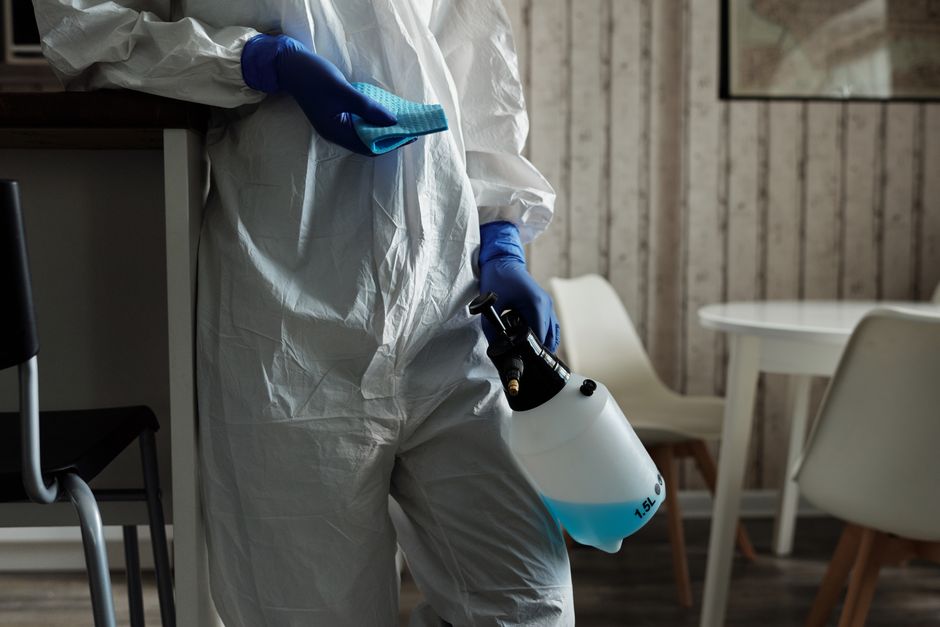
At its simplest, deep cleaning is a detailed cleaning process that goes room by room and surface by surface. It usually starts with the dirtiest or most time-consuming zones: kitchen, bathrooms, floors, skirting, doors, and touchpoints. Then it moves into secondary areas such as bedrooms, living rooms, hallways, utility spaces and hard-to-reach spots. The aim is to remove visible dirt and the less visible build-up underneath it.
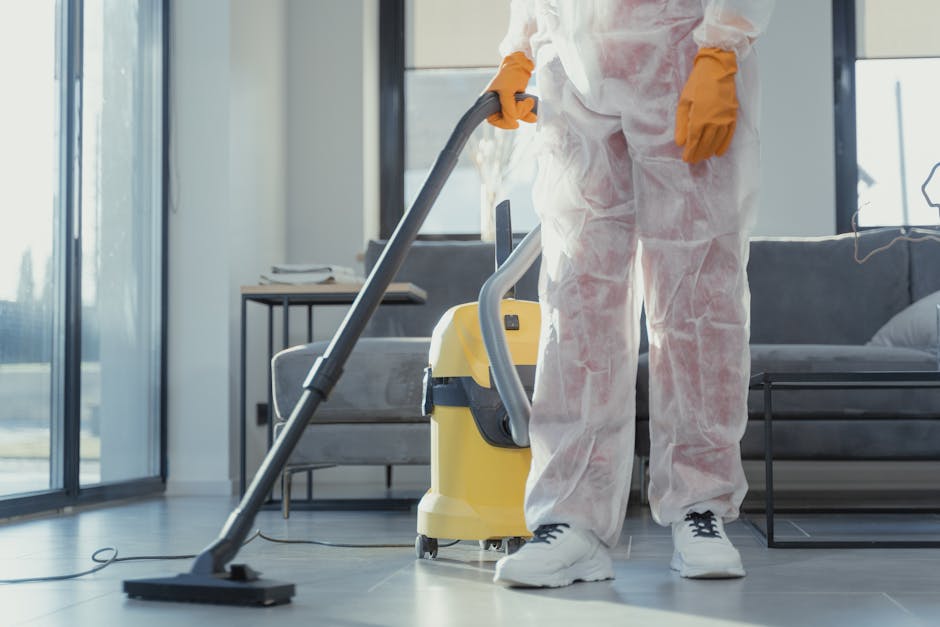
In practice, a good deep clean often includes a combination of dust removal, degreasing, sanitising, scrubbing, descaling, vacuuming, mopping, polishing and spot-cleaning. If carpets or soft furnishings need extra attention, it may make sense to pair the visit with carpet cleaning, sofa cleaning or upholstery cleaning. The point is not to do everything in the same way. Different materials need different treatment, and that matters more than most people think.
Here is the usual flow you would expect from a professional service:
- Initial walkthrough or quote request to understand the property size and condition.
- Room-by-room planning so the dirtiest tasks are tackled first.
- Dry work such as dusting, cobweb removal, and surface clearing.
- Wet cleaning for kitchens, bathrooms, floors and fixtures.
- Detail work on edges, switches, handles, frames, and hidden corners.
- Final checks, touch-ups, and a last look at high-traffic areas.
Some properties need extras. If you have had decorating work done, after builders cleaning may be the better fit because dust after building work behaves differently from normal household dirt. If the space is being handed over at the end of a tenancy, end of tenancy cleaning is usually more structured and more exacting.
A decent provider will explain what is included and what is not. That sounds basic, but it avoids the classic "I thought the fridge was included" conversation. And nobody enjoys that one.
Key Benefits and Practical Advantages
The obvious benefit is cleanliness. The less obvious benefit is mental relief. A properly deep-cleaned property feels lighter, calmer and easier to manage. You notice it in little things: a kitchen worktop without that greasy film, a bathroom that smells neutral instead of damp, a hallway floor that no longer looks dull under daylight.
There are also practical gains:
- Better presentation: useful for landlords, tenants, homeowners and businesses alike.
- Less residue and grime: which can help surfaces last longer before they need replacing.
- Improved hygiene: especially in kitchens, bathrooms and shared spaces.
- Time savings: one intensive visit often saves several smaller attempts later.
- More predictable upkeep: a deep clean gives you a proper starting point.
For rented properties near Roehampton University, presentation can be especially important. A property that has been thoroughly cleaned often photographs better, feels more welcoming during viewings, and makes move-in day less stressful. If you are managing a busy home, the same applies in a different way: people stop tiptoeing around "that corner" and the whole place becomes more liveable again.
Another practical advantage is peace of mind around shared surfaces. Door handles, switches, taps, bannisters and appliance fronts are often touched constantly and cleaned half-heartedly. A deep clean gives these areas the attention they actually deserve. It is a small thing, but in real life, small things add up fast.
Who This Is For and When It Makes Sense
Deep cleaning near Roehampton University SW15 makes sense for a lot of people, not just one type of customer. In our experience, the most common situations are surprisingly ordinary.
Students and shared households: if several people have been sharing the same kitchen and bathroom for months, grease, limescale and general wear build up quickly. A deep clean can reset the space before a move-out, new term, or a flat inspection.
Tenants and landlords: end-of-tenancy situations are the obvious trigger. But deep cleaning can also help between tenancies, after repairs, or whenever a property needs a proper refresh before relisting.
Homeowners: if life has been busy, cleaning often falls into survival mode. You keep the place going, but you do not get to the skirting boards or the tops of cabinets. Then suddenly you realise the place needs a full reset.
Small offices and workspaces: offices near a university area can get high footfall, dust and clutter much faster than expected. If the space is customer-facing, a more thorough clean can make the whole business feel sharper. You can also look at office cleaning or office cleaners if the need is ongoing rather than one-off.
Move-in and post-works situations: if you are arriving in a new place or coming back after decorating, a deep clean can remove the previous occupants' traces or the fine dust that seems to settle everywhere. Honestly, dust after work is sneaky. It gets into places you did not know existed.
So when does it make sense? Usually when normal cleaning no longer gets the result you need, or when the property is about to change hands, change purpose, or simply start over.
Step-by-Step Guidance
If you are planning a deep clean yourself, or just want to understand what a professional visit should cover, this step-by-step guide will help.
1. Start with a realistic property check
Walk through each room and make a quick note of the hardest areas: oven, extractor, shower screen, grout, carpet marks, limescale, sticky cupboard doors, window ledges, and any obvious debris. It sounds obvious, but people often forget the hidden areas until they are already halfway through. Then it gets messy.
2. Clear clutter before you clean
Deep cleaning works best when surfaces are free. Move laundry, dishes, loose paperwork and personal items out of the way first. If you are dealing with a larger clear-out, house clearance may be relevant before any detailed cleaning begins.
3. Choose the right order
Clean from top to bottom and from dry to wet where possible. That means dusting shelves before mopping floors, and wiping higher points before tackling lower ones. This avoids rework, which is just irritating.
4. Tackle kitchens and bathrooms carefully
These are the most time-consuming rooms because they collect grease, soap residue, food particles and mineral deposits. Use appropriate cleaners for the surfaces involved. Stainless steel, enamel, laminate, stone and tile all behave differently. One product does not suit everything, despite what the bottle claims in big cheerful letters.
5. Finish with floors and touchpoints
Vacuum upholstery, edges and corners first, then clean hard floors and visible contact areas. If the property has wooden or tiled flooring, hard floor cleaning can be a sensible add-on where a more specialised finish is needed.
6. Do the final detail pass
Look at mirrors, frames, switch plates, handles and marks on doors. This final pass is where a good clean starts to feel genuinely finished. The room should not just look acceptable. It should feel done.
Expert Tips for Better Results
Here are a few practical tips that make a real difference, especially if you are comparing cleaners or trying to prepare the property before a visit.
- Ask exactly what is included. Don't assume. Kitchens, bathrooms, appliances, windows, and inside cupboards are often handled differently from one provider to the next.
- Separate "clean" from "restoration". Some stains, burn marks or long-standing damage may improve, but not disappear. That distinction matters.
- Match the service to the job. A one-off refresh is not the same as a move-out clean. If the property is in between regular cleans, one-off cleaning may be enough.
- Check materials before using strong products. Natural stone, delicate fabrics and some floor finishes need care. A rushed approach can create a bigger problem.
- Use daylight if you can. Around midday, especially in a bright SW15 room, you notice residue and missed spots much more easily than under evening light.
- Prioritise the smell of the place as well as the look. A room can look clean and still feel stale if hidden build-up remains.
If you are booking a specialist, it also helps to look at the wider service range. For instance, oven cleaning or window cleaning can be worth adding when those items are the weak link in an otherwise tidy property.
One small but useful tip: photograph problem areas before the clean if you need to track progress. It keeps expectations grounded and makes before-and-after differences very clear. Simple, but useful.
Common Mistakes to Avoid
A lot of deep cleaning disappointments come from the same handful of mistakes. None of them are dramatic, but they can waste time and money.
- Leaving clutter until the last minute. It slows everything down and makes cleaning around objects less effective.
- Using the wrong product on the wrong surface. This is especially risky on natural stone, coated wood and soft furnishings.
- Ignoring hidden grime. The obvious surfaces get cleaned, but the small edges and corners often reveal whether the job was truly thorough.
- Expecting damage to vanish. Deep cleaning removes dirt. It does not magically repair worn seals, chipped paint or tired grout.
- Forgetting ventilation. Fresh air helps cleaning products dry properly and avoids that heavy, chemical room feel.
- Choosing the cheapest option without checking scope. Very low quotes can look fine until you realise essential tasks were not included. Then the bargain is not a bargain, really.
Another one: not asking whether the provider is insured. That matters more than people think, especially for shared homes, offices and properties with delicate furnishings. It is not the most exciting question, but it is a smart one.
Tools, Resources and Recommendations
You do not need an industrial set-up to understand what a good deep clean involves, but the right tools make a huge difference. Professionals will typically use a mix of:
- microfibre cloths and specialist dusting tools
- vacuum equipment with suitable attachments
- mops, floor pads and buckets
- degreasing and descaling products
- non-abrasive scrub pads
- glass and mirror cleaners
- fabrics and upholstery tools where needed
For homes with carpets or soft furnishings, it can be sensible to pair general cleaning with rug cleaning or carpets cleaner support when fibres need more than a vacuum. If you have a small office with frequent foot traffic, a regular cleaners visit may be a better long-term plan than repeated emergency cleans.
There are also a few practical resources you should always check on a provider's site before booking: pricing information, insurance details, terms, and how complaints are handled. On this website, those useful pages include pricing and quotes, insurance and safety, and terms and conditions. If you care about disposal and material handling, recycling and sustainability is worth reviewing too.
And if you are still comparing companies, the useful question is not "who sounds best?" but "who explains the process clearly?" Clarity usually beats polished sales language. Every time.
Law, Compliance, Standards, or Best Practice
For deep cleaning work in the UK, the main thing is to follow sensible best practice around health, safety, insurance, product use and privacy. You do not need a lecture on legal jargon, but you do need confidence that the work will be carried out responsibly.
In practical terms, that means a trustworthy cleaning company should be able to explain:
- what insurance they carry and what it covers
- how they manage safe product use on different surfaces
- what happens if damage is discovered during the clean
- how complaints are handled if something goes wrong
- how they respect privacy and access to the property
For shared homes, student lets and offices near a busy area like Roehampton University SW15, these basics matter. People come and go. Keys get handed over. Rooms are left empty and later filled again. Good process protects everyone.
It is also sensible to expect a cleaning provider to have clear policies, not just a price list. Pages such as health and safety policy, privacy policy, payment and security and complaints procedure signal that the business takes its responsibilities seriously. That is not a guarantee of perfection, obviously, but it is a good sign.
If the job involves specialist access, fragile surfaces or after-build work, ask how the team will approach it before booking. A careful answer tells you a lot.
Options, Methods, or Comparison Table
Not every cleaning need calls for the same service. The right choice depends on how dirty the property is, who uses it, and what outcome you want.
| Option | Best for | What it usually covers | Notes |
|---|---|---|---|
| Standard domestic cleaning | Regular upkeep | General surface cleaning, dusting, vacuuming, basic bathroom and kitchen tasks | Good for maintenance, but not enough for heavy build-up |
| One-off cleaning | Resetting a home or flat | More detailed attention to neglected areas, usually over one visit | Useful before guests, moving in, or after a busy period |
| Deep cleaning | Built-up dirt, tired rooms, thorough refresh | Detail cleaning across rooms, edges, fixtures, and hard-to-reach areas | Best when the property needs a proper full refresh |
| End of tenancy cleaning | Move-outs and inspections | Structured clean aimed at returning a property to a handover standard | More exacting and usually more checklist-driven |
| Specialist add-ons | Problem areas | Oven, carpets, rugs, sofas, upholstery, windows or hard floors | Useful when one item is dragging the whole room down |
In many cases, the best answer is a combination. A room may need a deep clean, but the oven might also need a dedicated oven cleaner, and a sofa may need its own treatment. That is normal. It is much better to match the service to the mess than to force one service to do everything.
Case Study or Real-World Example
Picture a shared flat near Roehampton University at the end of term. The kitchen has the usual mix: a slightly greasy cooker hood, crumbs in drawer edges, smudges on cupboard doors, and a fridge shelf that has seen better days. Bathrooms are fine at a glance, but the shower screen has limescale and the basin fittings need attention. The living room looks okay until late morning light catches the dust on the skirting and the dull finish on the floor.
In that sort of situation, a quick tidy is never enough. What usually helps is a structured deep clean starting with the kitchen and bathrooms, then moving through shared areas and finally doing detail work on switches, handles, windowsills and floor edges. If carpets in bedrooms have picked up traffic marks, a carpet treatment can make the whole place feel much better. If a room has patchy odours from food or damp laundry, a proper fabric clean can help too.
What changes most is not just the appearance, but the feel. The place stops looking "lived in and slightly tired" and starts looking manageable again. That moment, when a flat actually smells clean and not just perfumed, is the one people remember.
And yes, you still need to keep it tidy after. Cleaning is never a one-and-done miracle. Bit unfair, really, but there we are.
Practical Checklist
Before booking or starting a deep clean near Roehampton University SW15, use this quick checklist.
- Have you identified the worst rooms and surfaces?
- Do you know whether it is a one-off clean, a deep clean, or an end-of-tenancy clean?
- Have clutter and loose items been cleared away?
- Have you checked what is included in the quote?
- Do you know whether appliances, windows, upholstery or carpets are included?
- Have you asked about insurance and safety?
- Have you confirmed access arrangements and timing?
- Are there any delicate materials or problem stains that need special care?
- Do you need extra services such as carpet, oven or window cleaning?
- Have you reviewed the provider's terms and complaints process?
If you can answer most of those clearly, you are in a strong position. If not, take a bit more time. It saves hassle later.
Conclusion
Deep cleaning near Roehampton University SW15 is really about getting a property back to a standard that feels comfortable, presentable and easy to maintain. Whether you are preparing for a move, dealing with shared-house build-up, refreshing a family home or improving a workspace, the process works best when it is properly scoped, carefully carried out and matched to the real condition of the property.
The most useful approach is simple: know what you need, ask what is included, check the detail, and choose a service that treats the job properly rather than treating it like a rushed tidy-up. That way, you get a clean that lasts longer and feels better from the moment you walk in.
If you are comparing services and want a clearer idea of what suits your property, explore the relevant pages on this site, then make the next step feel easy rather than rushed. Speak to the team if you want to discuss the job, or review about us if you want a better feel for the company behind the service.
Get a free quote today and see how much you can save.
And if nothing else, enjoy the quiet satisfaction of a room that finally feels right again. That little reset can go a long way.
Frequently Asked Questions
What does deep cleaning near Roehampton University SW15 usually include?
It usually includes detailed cleaning of kitchens, bathrooms, floors, skirting boards, surfaces, touchpoints and hard-to-reach areas. Some jobs also include ovens, windows, carpets or upholstery, but that depends on the provider and the quote.
How is deep cleaning different from regular cleaning?
Regular cleaning maintains a home or office. Deep cleaning removes the build-up that regular cleaning does not reach, such as grease around appliances, limescale, dust on edges and grime in hidden corners.
Is deep cleaning the same as end of tenancy cleaning?
Not exactly. End of tenancy cleaning is usually more structured and tailored to handover standards. Deep cleaning is broader and can be used for homes, shared flats and offices at many different stages.
How long does a deep clean take?
It depends on the size of the property, how cluttered it is and how much build-up there is. A small flat may take far less time than a larger home or office with heavy use. A proper quote should reflect that.
Do I need to clear the property before the clean?
It helps a lot. Clearing clutter lets the cleaner access surfaces, edges and hidden areas more efficiently. If there are too many items left around, the clean can be less effective and take longer.
Can a deep clean remove all stains?
No honest cleaner should promise that. Deep cleaning can improve many marks and stains, but damage, worn materials and permanent staining may remain. It is better to ask about likely results before booking.
Should I book carpet or upholstery cleaning as well?
If carpets, rugs, sofas or chairs are visibly marked or smell stale, yes, that can be a smart add-on. Services such as carpet cleaning, rug cleaning and upholstery cleaning help when fabric items need more than surface vacuuming.
Is it worth booking a one-off clean instead?
Sometimes, yes. If the property needs a general refresh rather than a full detailed clean, one-off cleaning can be enough. It is a good option when you want a reset without the full end-of-tenancy scope.
How can I tell if a cleaning company is trustworthy?
Look for clear pricing, insurance information, policies on safety and privacy, and a straightforward complaints procedure. The way a company explains its process often tells you more than the marketing copy does.
What should I ask for in a quote?
Ask what rooms and tasks are included, whether appliances and windows are covered, what extra services cost, and how access or parking affects the job. The more specific you are, the fewer surprises later.
Can deep cleaning help before a move-in?
Absolutely. Move-in deep cleaning is often one of the best uses of the service because it removes the previous occupant's residue and gives you a clean base to start from. It feels like a proper fresh start, which is lovely, really.
Do offices near Roehampton University need specialist cleaning?
Often they do, especially if they see regular footfall, shared kitchens or customer visits. Office cleaning can be arranged as a regular service, while a one-off deep clean helps if the workspace has become dull or neglected.